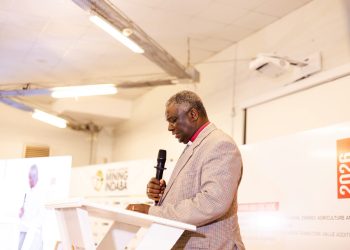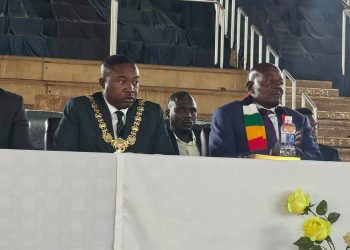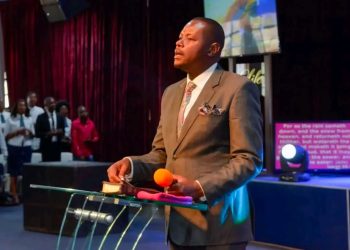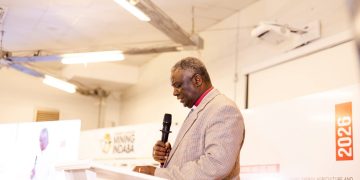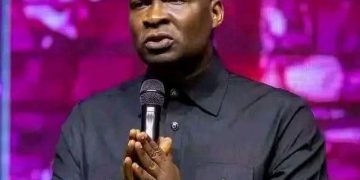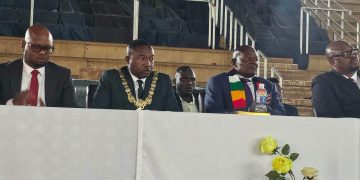
HARARE the General Assembly hall was quiet, but the conversation was loud. For three days church leaders gathered not to celebrate, but to confront. The theme was direct: “From Conflict to Cohesion: Breaking Walls, Building Bridges and Projecting the Future.”
Outside the doors, Zimbabwe is wrestling with pain. Inside, the church asked itself one question. Can we lead if we are not willing to change first?
Delegates wasted no time. They named the walls blocking peace. Inconsistency was first. “We say one thing on Sunday and do another on Monday. The people see it,” one speaker said. Then came centralization of power, tribalism, and political intolerance
The Public Lecture widened the lens to the nation. The list was familiar and heavy: Injustice. Gender Based Violence. Verbal Violence. Poverty. Unemployment. “These are not just political issues,” a delegate noted. “They are pastoral issues. They are human issues.”
First, the Clean Hands Policy. The message was clear, the church cannot call for justice, reconciliation, and accountability in the nation if it is not practicing it itself. Credibility starts at home.
Second, dialogue with all parties. “No more speaking about people without speaking with people,” leaders agreed. Breaking walls, they said, means sitting at the same table even with those you disagree with.
The church also reclaimed its identity. Quoting the Vice President of the Southern Africa Council of Churches, delegates were reminded, “We are known for peace and 100% tolerance. We must maintain calmness even in times of harsh approaches.”
But calmness is not silence. Leaders stressed it is moral courage. It is truth without hatred. It is justice without revenge. Now the work begins. The Clean Hands Policy must move into congregations. That means churches addressing GBV directly, speaking against injustice and verbal violence and creating programs for youth employment and poverty. It means refusing tribalism from the pulpit.
“The future we project will depend on the bridges we build today,” the closing statement read. The Assembly is over. The assignment remains: break the walls. Build the bridges. Lead with clean hands.