Government has called on churches across Zimbabwe to take an active role in restoring cleanliness, discipline and order in the country’s towns and cities, with religious leaders being urged to make environmental responsibility part of their ministry.
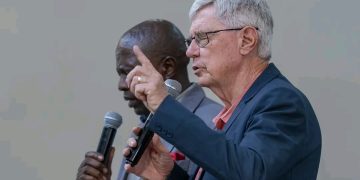
The call was made by Minister Daniel Garwe during an interface meeting with church leaders at the Harare City Sports Centre, where he challenged the clergy to use their influence in communities to promote a culture of cleanliness and responsible citizenship.
Hon Garwe said the deterioration of urban environments could no longer be left to Government alone, arguing that citizens, churches, businesses and communities all had a responsibility to reverse the situation.
He raised concern over the growing problem of littering, including people throwing rubbish from vehicles, as well as disorder in city centres.
The minister also highlighted concerns over the sale and abuse of drugs and substances, citing First Street in Harare as an area where such activities had reportedly become a concern.
He said the country’s transformation required a change in attitudes, calling on citizens to reject behaviours that contribute to the destruction of their communities.
Hon Garwe urged church leaders to take the message directly to their congregations, encouraging Christians to become examples of cleanliness and responsible stewardship of the environment.
He said the appeal was consistent with the Christian responsibility to care for God’s creation, urging religious leaders to help confront what he described as a “spirit of disorder”.
The minister further called on bishops and other church leaders to become ambassadors of change and support the national effort to rebuild Zimbabwe.
The call received support from the Harare Residents Trust, which welcomed the Government’s engagement with religious leaders.
The residents’ representative said churches were strategically positioned to influence behaviour because many of their congregants were directly involved in activities taking place in the city’s communities.
Churches were therefore encouraged to speak to congregants involved in vending and promote the use of designated trading areas as part of efforts to restore order in Harare.
Bishop Christopher Choto said churches were ready to work with Government on the cleanliness campaign, despite differences between denominations.
He said environmental protection was a responsibility that transcended denominational boundaries and pledged that the message would be taken from the meeting to church pulpits and eventually to congregations across communities.
According to Choto, churches should demonstrate their commitment through practical action and help ensure that future generations inherit a cleaner Zimbabwe.
He also appealed to Government to show understanding towards churches operating from temporary structures, saying some congregations were still developing and needed consideration as they worked towards securing permanent facilities.
The meeting highlighted the potential role of religious institutions in addressing social and environmental challenges, particularly through changing attitudes at community level.
With churches spread across urban and rural communities, Government is seeking to harness their influence in promoting cleanliness, discouraging drug and substance abuse, and encouraging citizens to take greater responsibility for their surroundings.
The message from the meeting was clear: rebuilding Zimbabwe’s cities will require more than Government programmes. It will require citizens and institutions, including churches, to turn calls for change into everyday action.