Government has vowed to move beyond token representation and give women and youth with disabilities real influence in policy formulation, budgeting and national development.
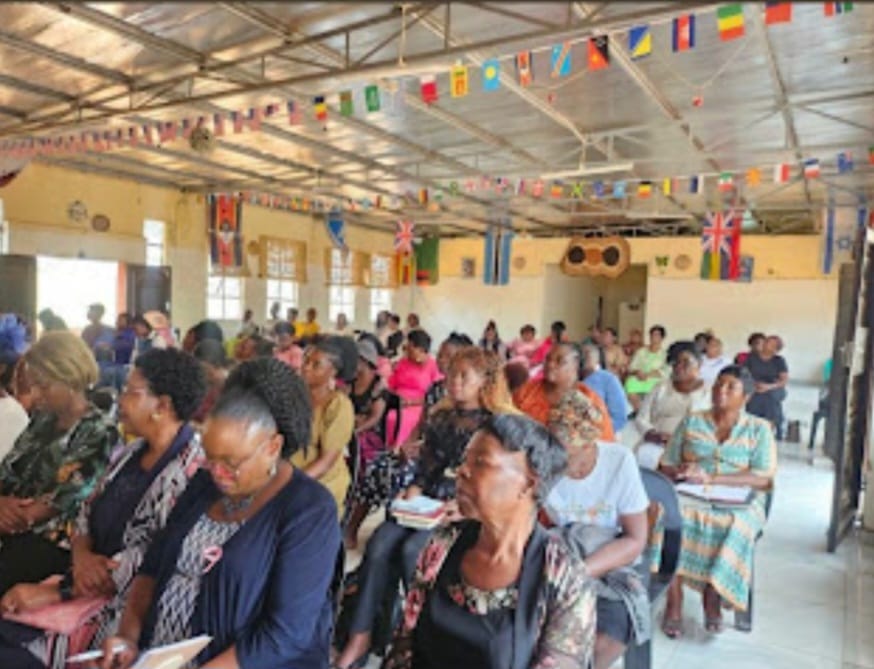
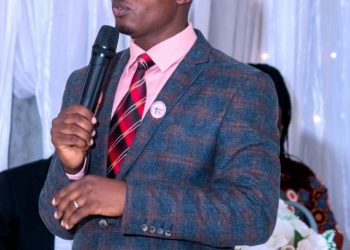
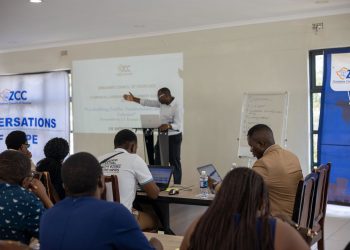
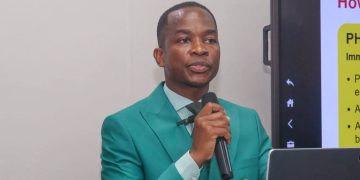
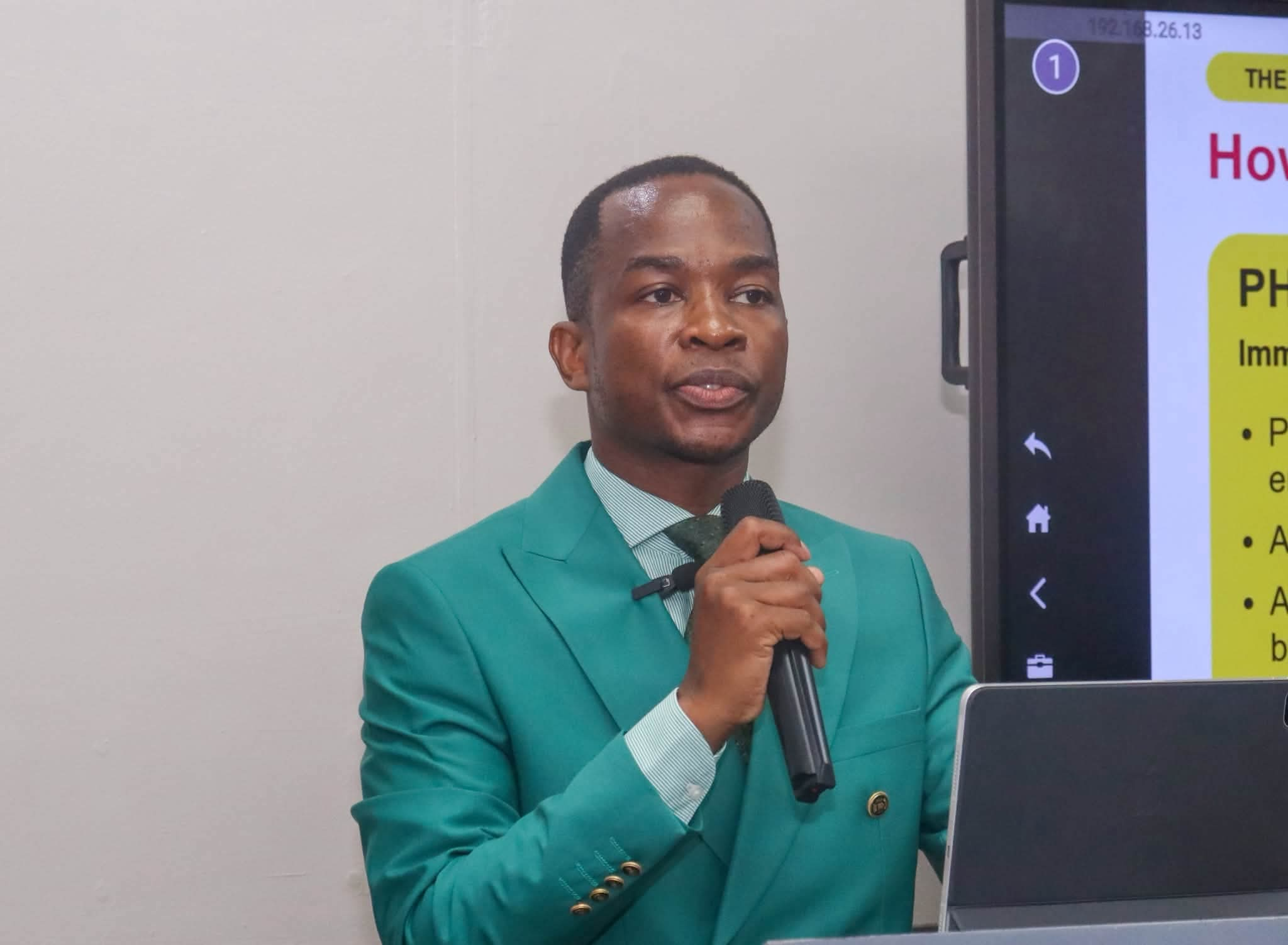
The commitment was delivered by the Deputy Minister of Women Affairs, Community, Small and Medium Enterprises Development, Kiven Mutimbanyoka, on behalf of Minister Senator Monica Mutsvangwa, while presiding over the First Annual Learning Conference at Cresta Oasis in Harare on 18 November 2026.
The conference was held under the theme: “Closing the Inclusion Gap-From Attendance of Women and Youth with Disabilities to Influence in Policy Formulation.”
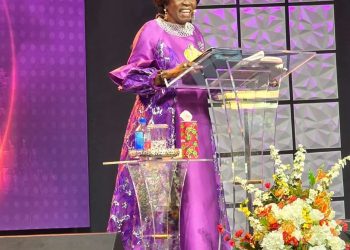
Delivering Minister Mutsvangwa’s keynote address, Minister Mutimbanyoka invoked the global disability rights principle: “Nothing about us without us.”
“There is a world of difference between being afforded a seat at the table and having a voice in shaping the decisions made around it,” he said, delivering the Minister’s message.
“Our understanding of inclusion must transcend the mere presence of persons with disabilities at consultations. It must be reflected in the extent to which their perspectives inform policy, their recommendations influence decisions and their aspirations find expression in our national development priorities.”
He said, on behalf of the Minister that persons with disabilities are not merely beneficiaries of development, but custodians of valuable lived experience, entrepreneurs, professionals, academics, innovators and leaders whose capabilities must be recognised and nurtured.
Hon. Mutimbanyoka said Minister Mutsvangwa noted that Zimbabwe has a strong constitutional and legislative foundation for disability rights, citing Sections 22 and 83 of the Constitution, the National Disability Policy and the Persons with Disabilities Act, 2025.
However, he said the true measure of commitment cannot rest on legislation alone, but on the opportunities created, the barriers dismantled and the lives transformed.
“We must translate our commitments into deliberate institutional action, ensuring that disability inclusion is firmly embedded in national planning, policy formulation, budgeting and service delivery,” he said.
In the Minister’s address, Deputy Minister Mutimbanyoka singled out women and girls with disabilities, who face multiple, intersecting barriers including discrimination on grounds of gender and disability, limited access to education and healthcare, heightened vulnerability to gender-based violence, economic exclusion and underrepresentation in leadership.
“A woman’s disability must never become a measure of her worth, a limitation upon her aspirations or a justification for denying her opportunities,” he said.
He also conveyed Minister Mutsvangwa’s call for the deliberate integration of disability considerations into women’s empowerment, entrepreneurship development and cooperative initiatives, with improved access to finance, productive resources, skills development, markets and economic opportunities.
Minister Mutimbanyoka said meaningful participation must be woven into the entire policy cycle, from identification of priorities to implementation, monitoring and evaluation, in line with Article 4(3) of the United Nations Convention on the Rights of Persons with Disabilities.
He called for accessible public institutions, sign language interpretation, assistive technologies, reasonable accommodation and stronger partnerships with Organisations of Persons with Disabilities.
On behalf of Minister Mutsvangwa, he commended Leonard Cheshire Disability Zimbabwe and its six partner organisations of persons with disabilities- ALCOZ, ZPHCA, CDO, DWSO, ZWIDE and DRAFT – as well as CBM Global Disability Inclusion, the European Union and CBM Global Ireland for supporting the initiative.
He urged the conference to translate deliberations into a tangible programme of action with clearly defined responsibilities, designated focal persons and realistic implementation timelines.
“As we journey towards Vision 2030, let us remember that a nation cannot rise to its full height while the potential of its people remains unseen, unheard or unrealised,” he said.