Young people are growing up in a world of noise, pressure and uncertainty, and nowhere is that more visible than in today’s African cities and townships. So what happens when hundreds of them step away from the chaos and gather for three days in a place filled with worship, questions, games and honest conversations about money, faith and the future?
Why a youth camp, now?
How does a teenager stay clean when drugs are cheaper than opportunity and substance abuse is rising among unemployed youth in Zimbabwe? What does hope look like for a young person whose dreams are bigger than their bank balance and smaller than their anxiety? The three-day Apostolic Church of Pentecost Mashonaland District Youth camp stepped right into that tension. It did not pretend the streets were safe or that social media pressure, unemployment and addiction are distant problems. Instead, it created a counter‑culture space: a place where youth could breathe, belong and begin to rebuild their sense of identity and purpose.
Stepping off the streets, into community
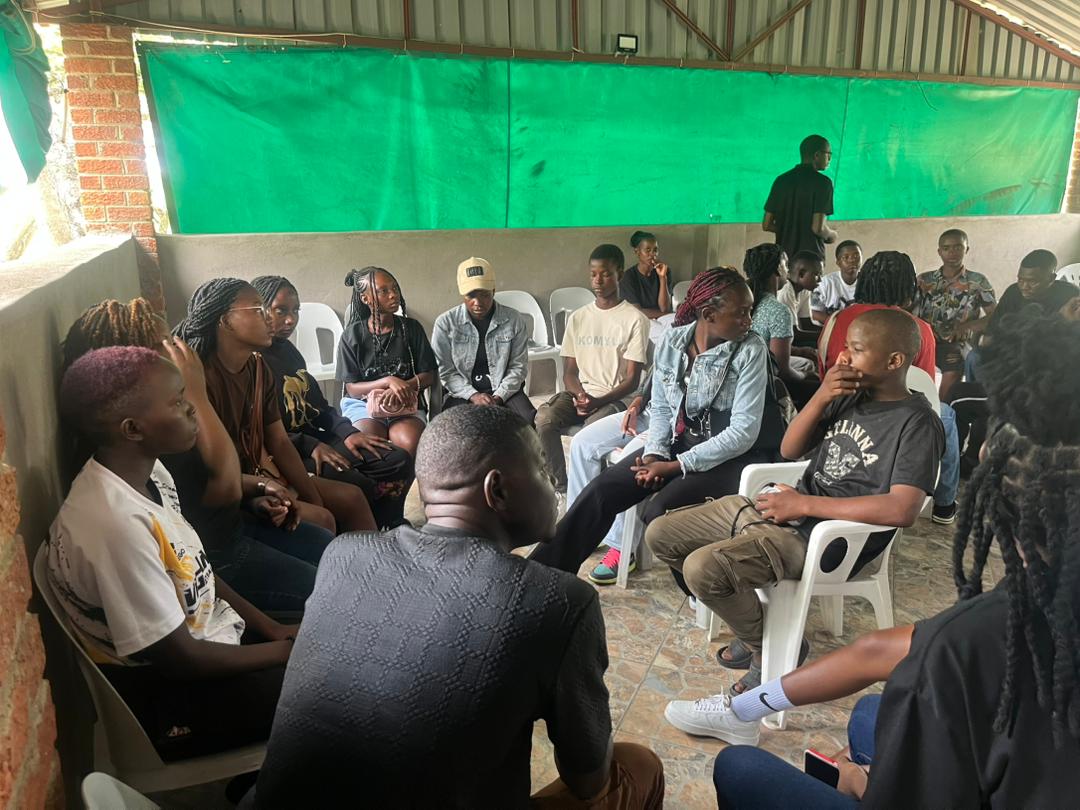
If you took a walk through many neighbourhoods during school holidays, you would see groups of young people on street corners, scrolling, drinking, experimenting and trying to numb boredom and pain. Now picture the same youth gathered, hands lifted in worship in the morning, sitting in small circles in the afternoon and laughing over games in the evening. The campgrounds became a living answer to the question: where can young people go instead of the streets? They found peers who struggle with the same temptations but are choosing a different response, and they met mentors who have walked through poverty, disappointment and pressure, yet still carry faith and discipline.
In testimonies and group discussions, youth spoke of anxiety, peer pressure, family conflict and the lure of quick money. The difference this time was that they were not talking to a screen or to friends who are just as lost. They were talking to a community that believes their lives are worth fighting for.
Learning to live, not just to survive
If you ask many African young people, “What did school actually prepare you for?” the answer is often silence or a shy laugh, because the education system rarely teaches emotional intelligence, money management or how to handle failure. This camp tried to close that gap. Workshops on wholeness, communication, emotional intelligence and life skills asked hard questions: how do you manage anger without violence or withdrawal; how do you set boundaries in relationships when everyone calls you weak for saying no; what does it mean to be a young man or woman of character in an age of shortcuts?
Through skits that mirrored real township drama, role‑plays of difficult conversations and team problem‑solving challenges, youth were not just told what to do, they practised it. They discovered that resilience, empathy and leadership are not big words for other people, but muscles they can grow.
Money, faith and the future
One unspoken fear among many young people is this: will I ever escape hand‑to‑mouth living? Unemployment and underemployment have made financial stress almost normal, especially for youth. At the camp, this fear was brought into the light. Property Channel, a real estate agency, stepped in as a partner and asked campers some direct questions: what if you could learn to make money work for you, instead of chasing it your whole life; what if stewardship is not just a church word, but a financial strategy?
Their sessions on financial literacy introduced basic budgeting and tracking of small incomes, the power of consistent saving even in low-income settings, and simple investment and property concepts that young people could actually imagine themselves using in future. All of this was grounded in scripture: the parable of the talents and the wisdom of Proverbs on diligence, honesty and planning. The message was clear: faith is not an excuse for financial carelessness; it is a foundation for wise management and generosity. For youth who have only seen money used for survival or status, this was a radical new lens.
AWANA, gaming and the hunger to belong
In a world where many friendships are built on likes and views, the question of what real belonging feels like often goes unanswered. AWANA sessions and game times quietly responded. During AWANA‑style games, memory verse challenges and team relays, something powerful happened: the shy ones found their voice when their team needed them, while the outspoken ones learned to listen. Winning depended not on who was considered cool, but on who could cooperate, encourage and persevere.
Modern and traditional games did more than entertain. They gave youth a taste of healthy competition without bullying or humiliation, modelled how to deal with loss without rage and victory without pride, and created moments of pure, clean joy that many had forgotten was possible. For young people often labelled as problems, the camp shouted a different message through every activity: you belong, you matter, you are more than your mistakes.
A retro night and an ancient foundation
On the final night, another question hung in the air: can a generation drowning in trends still honour its roots? The retro‑themed evening answered with a loud yes. Dressed in vintage suits, floral dresses, berets and classic church hats, the youth turned the campsite into a moving tribute to the pioneers of the faith. They danced and laughed, but they also listened to stories of earlier generations who prayed, sacrificed and stayed holy when there was no Wi‑Fi, no influencer culture and no soft life to chase.
The unspoken challenge was simple: will they copy online role models who disappear when life gets hard, or will they follow a lineage of apostles and believers who stood when everything in them wanted to fall? “Dress old but think forward” became more than a theme. It was a call to carry ancient values—integrity, sacrifice and service—into a digital, distracted future.
So what did this camp really do?
Strip away the tents, the sound system and the programme, and what remains is a quieter but deeper story. Young people tasted community stronger than peer pressure, minds began to see money as a tool and not a master, and hearts realised that faith is not an escape from reality but power to face it. In a time when statistics about youth unemployment, drug abuse and hopelessness dominate headlines, this three‑day youth camp quietly told a different story: that when you give young people space, guidance, truth and love, they rise.
The real question now is not whether the camp was good. The real question is how many more young people need this kind of environment before the streets stop winning, and whether the church, families and partners are willing to keep creating such spaces until a new kind of youth culture is born. For those who were there, the answer has already started forming in their hearts. And for everyone reading, the invitation is open: the next camp is not just an event to attend; it is a movement to join.