For years, Shekinah Glory has been turning faith into action, creating opportunities for vulnerable children and young people through education, skills development and community support.
Founded by Dr Juliet Bvekwa, the initiative has grown from a vision into a life-changing institution that has trained more than 500 children since 2022, equipping them with practical skills and renewed hope for the future.
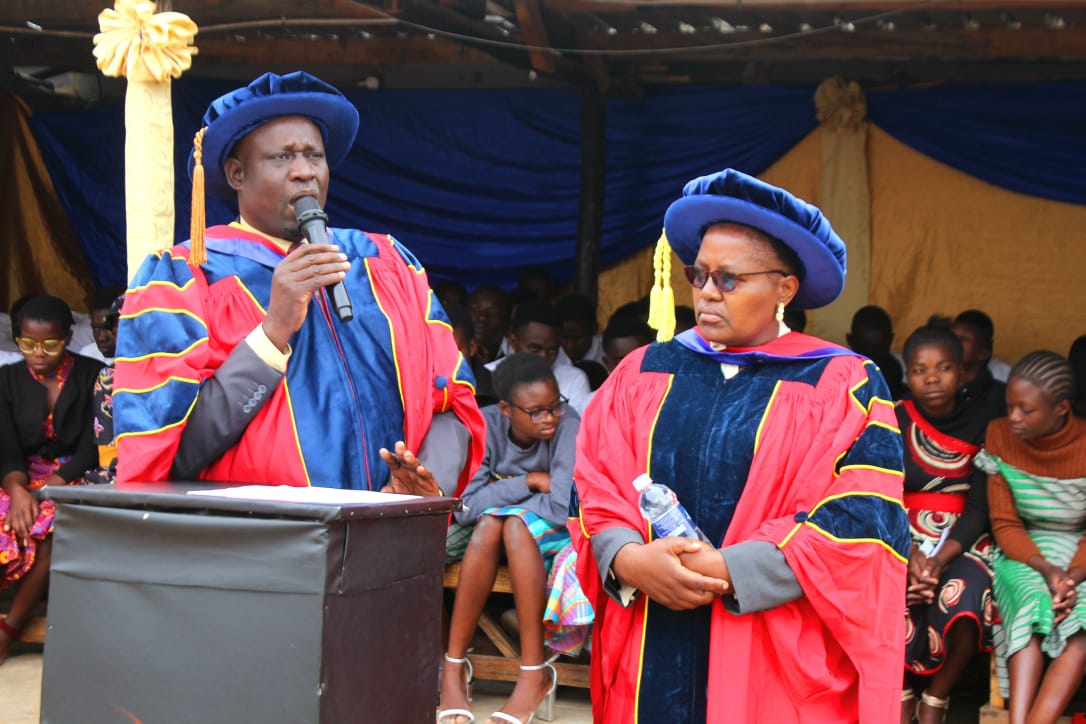
Speaking during the institution’s eighth celebrations, Dr Bvekwa reflected on the journey and the challenges that have accompanied the organisation’s growth.
She said the work was driven not by financial abundance, but by faith, compassion and the willingness of individuals and communities to give.
“We are not doing it because we have money, but this is because of God’s grace,” she said.
The centre provides training to young people free of charge, while also caring for infants and children in need. Running such a programme, however, comes with significant costs.
Dr Bvekwa explained that the centre cooks about 50 kilograms of food a day and uses approximately two litres of cooking oil daily, while monthly requirements include about 250 kilograms of sugar. A four-month training group can require as much as four tonnes of food supplies, in addition to meat.
Despite these demands, the institution continues to receive support from individuals, farmers, traditional leaders and members of the wider community.
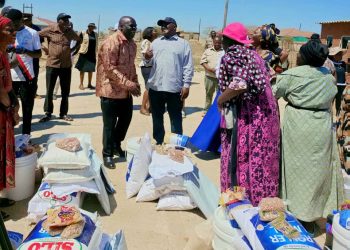
Traditional leaders in the Chirere community have also contributed to the initiative. Headmen and chiefs have provided food supplies, including maize and cooking oil, while farmers have donated livestock and other necessities.
Dr Bvekwa said some farmers in the Chirere community regularly contribute during farming seasons, while there have also been occasions when the centre has received fresh cow’s milk for the children.
Shekinah Glory’s impact is also being felt beyond its classrooms.
In Mandava, Zvishavane, the carpentry sector has benefited from skills development associated with the institution. The organisation’s graduates are gaining opportunities to work and earn incomes, while the community is beginning to see skills training as a pathway towards economic development.
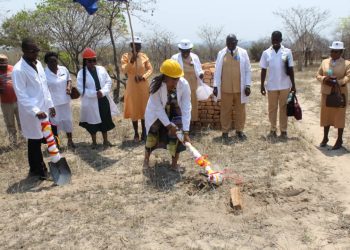
The institution has also attracted support from the corporate sector. Carousel, a division of Edgars Stores Limited, donated sewing machines and materials to strengthen the centre’s sewing skills cluster.
The donations, Dr Bvekwa said, demonstrate that giving does not always have to be in large amounts.
She encouraged members of the public to embrace a culture of giving, beginning in their own homes and extending into their communities.
“Let us not do it only for us, but let us have the call to give in our respective areas,” she said.
Dr Bvekwa’s commitment to caring for others began at an early age, when she started looking after her siblings. Over time, that responsibility developed into a wider charitable mission aimed at reaching vulnerable people in different communities.
The organisation continues to face challenges in meeting the needs of everyone it serves, but its long-term vision remains clear: to provide opportunities and care without discrimination.
Speaking on behalf of Chief Masunda of Chirere, Zvishavane, Headman Nyoni praised Dr Bvekwa for her tireless efforts to transform the lives of children across the Midlands.
He urged the community to reject jealousy and instead embrace initiatives that create opportunities for young people.
He noted that Shekinah Glory takes children from the social welfare system and gives them practical skills that can help them build independent lives.
“Let us go and use the skills to change our lives and impact the business community, hence benefiting yourselves,” he said.
Traditional leaders are also working on plans to support the institution’s economic sustainability. According to Headman Nyoni, six hectares have been made available for an industrial hub that could benefit people trained through the centre.
He said plans to promote agribusiness would further support the institution and create opportunities for skills graduates.
The guest of honour, Dr Munei Nyoni, challenged the institution’s graduates to become ambassadors of the values and opportunities they had received.
“Be of good courage and be ambassadors of Shekinah Glory in the world,” he said.
He encouraged young people to become agents of positive change in a world facing challenges such as drug and substance abuse.
Dr Nyoni said his tour of the institution had given him an appreciation of the practical work and skills being taught.
He also commended the country’s leaders and communities for allowing such an initiative to take root and encouraged stakeholders to promote development, agricultural projects and other initiatives that can improve livelihoods.
For the graduates, the graduation was more than a celebration of an institution. It was a celebration of second chances.
Several graduates expressed gratitude to Dr Bvekwa and the institution’s lecturers, saying the opportunity had helped them regain hope and develop skills that were opening doors to employment and income.
Some said they had already secured employment as a result of the training.
“We had lost hope of life at a young age, but you saw life over many who had overlooked us,” one graduate said.
Their stories reflect the central purpose of Shekinah Glory: to look beyond people’s circumstances and invest in their potential.
As the institution enters another phase, its message remains firmly rooted in service — that transformation does not always begin with large resources. Sometimes it begins with one person willing to care, one community willing to give, and one opportunity that allows a young person to believe in the future again.
For Dr Bvekwa and the Shekinah Glory community, the journey is far from over. The ambition is not simply to sustain what has been built, but to expand its impact and inspire a culture of giving, skills development and community-led transformation across the Midlands and beyond.