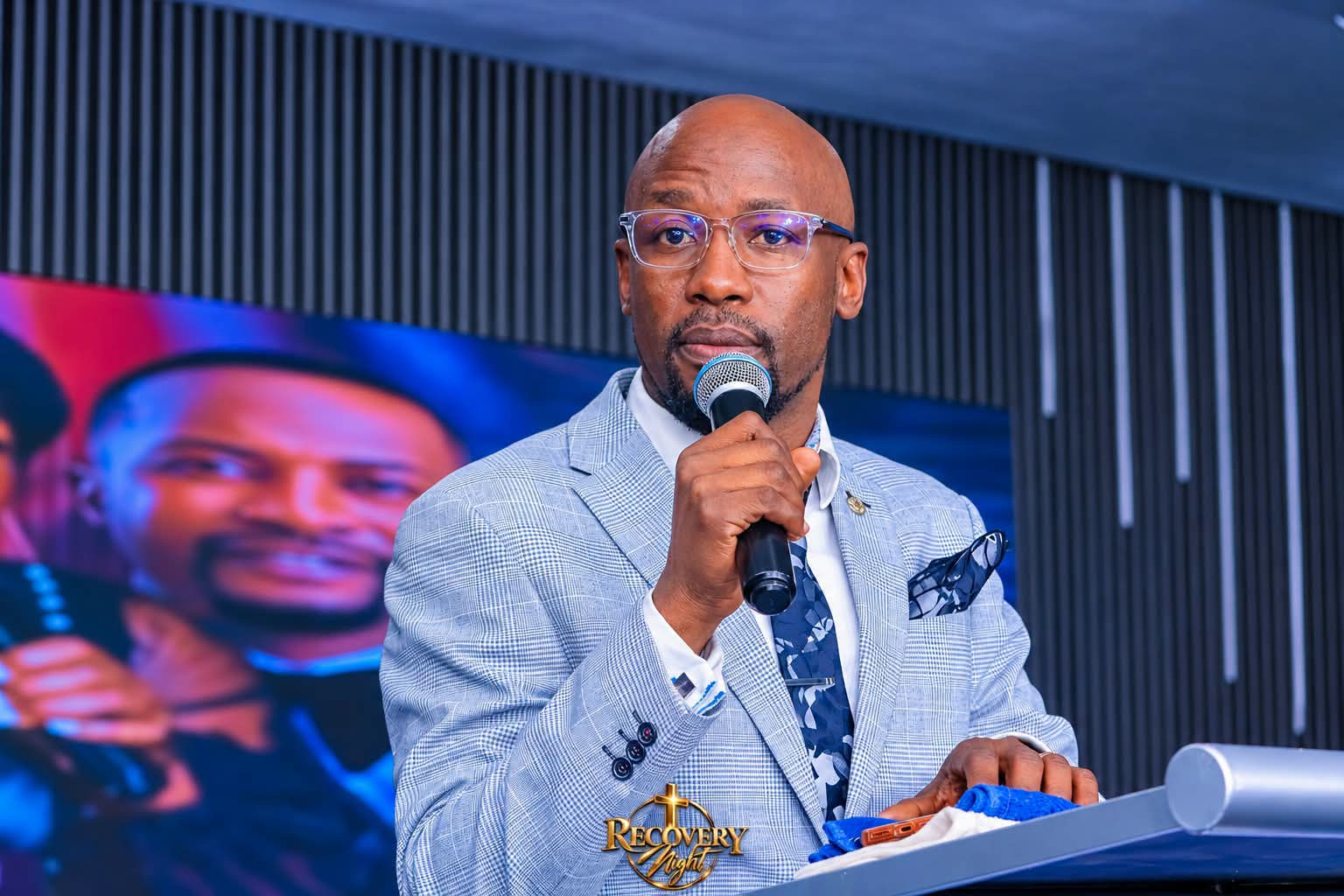
A powerful message by Pastor Josh Kays has ignited fierce debate across Zimbabwe’s Christian community after he accused modern church leaders of abandoning the heart of the Shepherd and replacing pastoral care with celebrity culture.
In a long, emotional post that has since gone viral, Pastor Kays asked a question he says has troubled his spirit for a long time: Where did we lose the heart of the Shepherd?
“When our Master, the Lord Jesus Christ, walked upon this earth, He was 100% God and 100% man, yet He was never too great to come close to people,” Kays wrote.
He pointed to Jesus healing people in their homes, dining with tax collectors and sinners, speaking with prostitutes, attending weddings, going to funerals, touching the unclean, and visiting those society had forgotten.
“He had all authority, even declaring that He could call more than twelve legions of angels, yet He chose humility, proximity and service.”
Pastor Kays contrasted that example with what he described as the current reality in many churches whereby leaders have become too important to do what their Master did.
“How did we, His servants, become too important to do what our Master did?”
He said walls have been created between the pulpit and the people, and sometimes those walls have been “baptized” with words like honour, familiarity, and protecting the anointing.
While acknowledging that biblical boundaries, order and honour are necessary, Kays warned that boundaries must never become an excuse for pastoral neglect.
“Jesus said, ‘Feed my sheep’, not ‘build your celebrity.’ A shepherd must know the condition of his flock. How can you know the condition of people you never visit, never call, never sit with and never ask how they are doing?”
He questioned where the shepherd is when a member is sick, grieving, struggling in marriage, battling financially, spiritually discouraged, or stuck in the same place for years.
Citing John 10:14 – “I am the good shepherd, and know my sheep, and am known of mine” – Kays used the story of the man at Bethesda who had waited 38 years for healing.
“Jesus did not simply preach healing from a distance; He engaged the wounded man personally. Some people in our congregations have been sitting beside the same ‘pool’ for years, and nobody has bothered to ask why they are still there.”
“We know their names when they are giving, singing or serving on the platform, but do we know their condition when the church service is over? You cannot effectively shepherd people you are unwilling to know,” he said
In one of the sharpest sections of his message, Pastor Kays took aim at what he called a generation of servants fighting for pulpits, positions, recognition and platforms, while forgetting that Jesus said the greatest among us must become a servant.
“We become offended when we are not given an opportunity to preach and immediately conclude, ‘They are fighting my gift,’ but can we serve when nobody gives us a microphone? Can we visit a sick member without taking a photograph? Can we sit with a grieving family without announcing it? Can we pray for somebody without receiving public recognition?,” he added saying Paul ministered not only publicly but “from house to house,” and warned that delegation is biblical, but delegation must never become abdication.
Recalling his early days as a new believer, Kays said his then pastor, Apostle Kabaira, would visit homes, talk to people after church and remain accessible to the flock.
“Today, sometimes we have become so afraid of familiarity that we have forgotten relationship altogether. We tell people to arrive early for prayer while we arrive late; we call for all-night prayers and sometimes appear when the atmosphere has already been built by those who came before us; we demand that everyone stand when we enter because we call it honour, yet we forget that Jesus, the greatest among us, knelt to wash feet.”
“What kind of honour makes people afraid rather than inspired? Authority is not intimidation, holiness is not hostility, and leadership is not celebrity,” he added
Meanwhile,Pastor Kays admitted the message may attract backlash, but said he would rather speak from conviction than remain silent out of fear.
He clarified that he has not been saying every pastor must personally visit every member or abandon healthy boundaries.
“I am saying that no servant of God should become so distant from the flock that he no longer knows whether his sheep are wounded. The sheep do not belong to us, they belong to Christ.”
“Who bewitched this generation that shepherds became celebrities, pulpits became stages, congregations became audiences, and honour became fear? Did our fathers pray for this? Did Christ die for this? May God forgive us where ambition has replaced compassion, where position has replaced servanthood, and where our concern for our image has become greater than our concern for His sheep.”
“Because the greatest evidence that we represent Jesus is not how many people stand when we enter the room; it is how many wounded people can say, ‘My shepherd came looking for me.'”
The message has sparked widespread reaction online, with many people sharing testimonies of feeling neglected, while others have defended church leaders, saying honour and protocol are biblical and necessary for order.