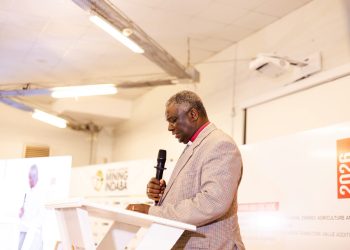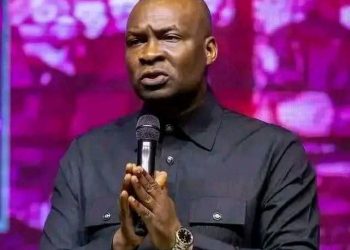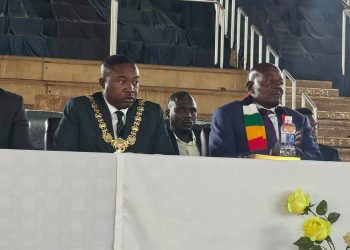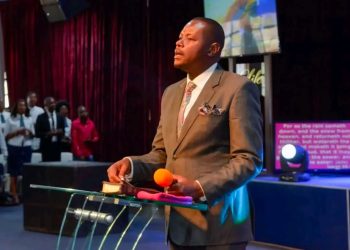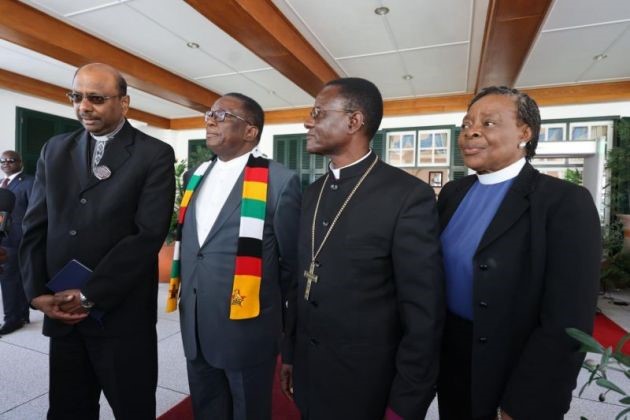
World Council of Churches, General Secretary, Rev. Jerry Pillay met with the President of Zimbabwe, Emmerson Mnangagwa, leading an ecumenical delegation, a meeting attended by officials from the Zimbabwe Ministry of Foreign Affairs raising concerns about some recent developments and challenges from politics, economic and natural challenges faced in Zimbabwe in which the church is operating as a stakeholder.
“I am here because I know that the churches in Zimbabwe are carrying a heavy burden, not only for the life of the church, but for the life of the nation,
“We have been following your public witness with a lot of admiration.” he said.
Pillay raised the churches’ concerns about proposed constitutional amendments and about the protection of democratic principles and meaningful citizen participation in a country where these have been challenged.
He also highlighted some challenges the contemporary world s facing.
“Across the contemporary world, societies face unprecedented challenges characterized by violent conflict, wars, political instability, economic inequality, environmental degradation, forced migration, democratic decline, and increasing social polarization,” said Pillay.
“Africa continues to experience many of these challenges while simultaneously demonstrating remarkable resilience, community solidarity, and religious vitality.
“These realities have raised significant questions concerning the role of faith communities in promoting justice, reconciliation, peace, and sustainable development.”
In response, President Mnangagwa, acknowledged the work of the churches in the areas of climate resilience, peace building, and national healing and spoke of his government’s commitment to peace, justice, and fighting of corruption.
Pillay praised and congratulated President Mnangagwa on the election of Zimbabwe as a nonpermanent member of the UN Security Council and encouraged him to use this opportunity to work for peace and security in the world.
Pillay highlighted thorny issues that concerns the church which included, the amendment to the constitution to extend the term of the president, unemployment of youth and the social problems linked to this, the unfair and inequitable distribution of wealth, climate change and gender-based violence.
The meeting included general secretary of the Zimbabwe Council of Churches Rev. Wilfred Dimingu; president of the Zimbabwe Council of Churches Bishop Ignatius Makumbe; and Rev. Suzanne Matale from Zambia, representing the All-Africa Conference of Churches general secretary.