Zimbabwe has made a bold call for women’s equal voice in global governance, warning that the world cannot achieve sustainable development, lasting peace or credible leadership while half its population remains sidelined.
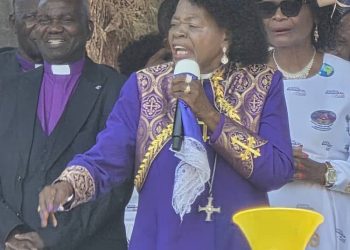
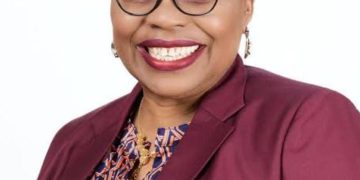
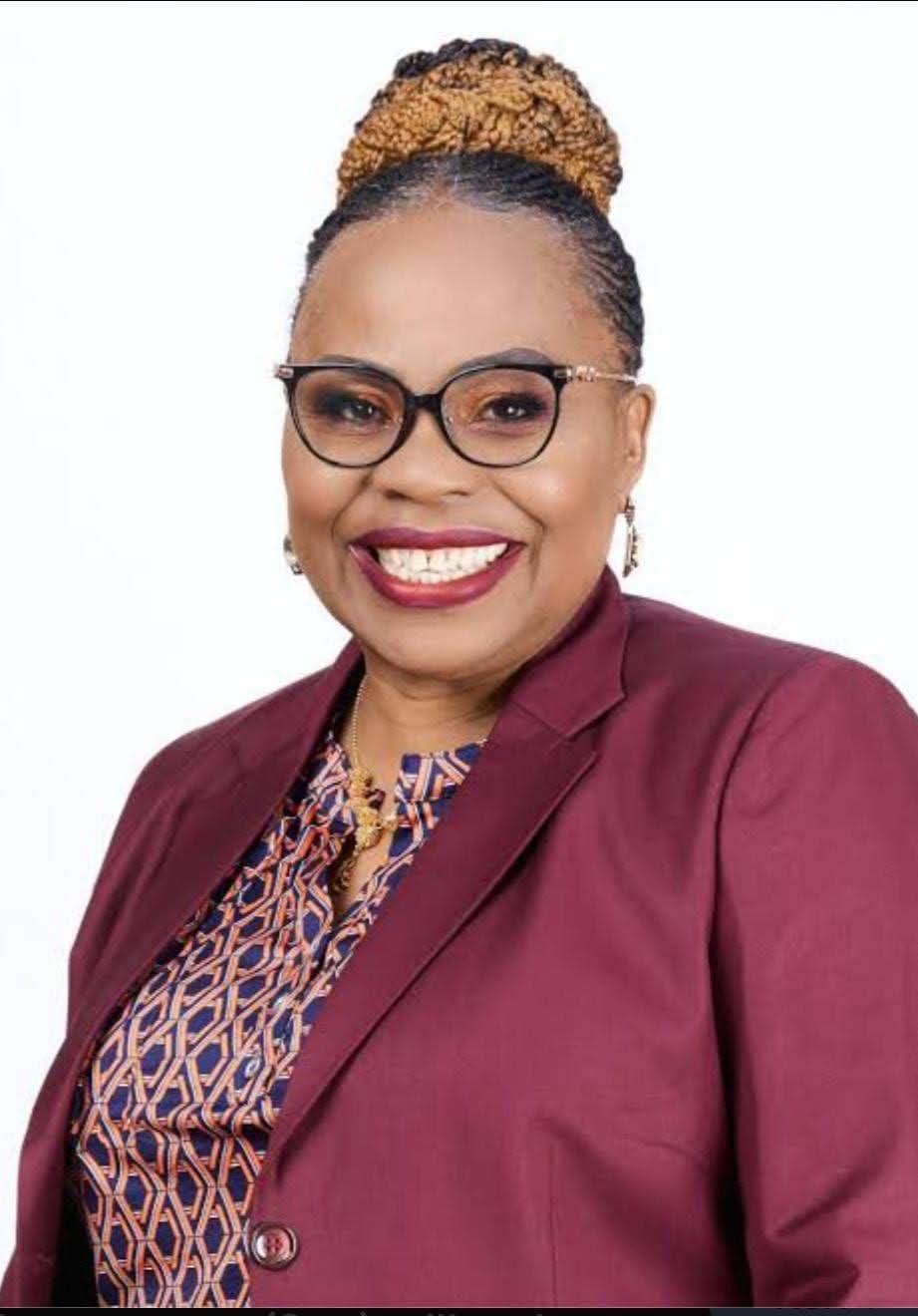
Minister of Women Affairs, Community, Small and Medium Enterprises Development, Hon. Senator Monica Mutsvangwa, delivered the powerful message at the 2026 African Women Leaders Network (AWLN) Global Women’s Leadership Forum in New York.
Speaking under the theme “Reimagining Global Governance: Championing Women Leaders for Lasting Change,” Senator Mutsvangwa said global governance systems can only be legitimate and responsive when women’s experiences and leadership are fully represented.
“Governance can only be credible, legitimate and responsive when women’s voices and experiences are fully represented,” she said.
She told world leaders that representation must go beyond numbers and translate into real voice, influence and decision-making power, calling for genuine gender parity at all levels, from community boards to the United Nations Security Council.
Senator Mutsvangwa showcased Zimbabwe’s deliberate steps to advance women leadership, citing key policy instruments that are reshaping the landscape. These include the Revised National Gender Policy (2025–2030), the Women in Leadership Strategy (2023–2030), the Provincial Dialogues on Governance and Electoral Reform, and the National Gender Machinery Coordination Framework.
She noted that Zimbabwe has made notable progress in placing women in senior positions across the judiciary and other strategic sectors, a testament to political will and policy consistency.
However, she was candid that the journey is far from over. Discriminatory social norms, unequal access to resources, and the scourge of violence against women and girls continue to hold women back from reaching their full potential.
In her most striking remarks, the Minister declared: “There can be no sustainable development without gender equality, no lasting peace without women’s meaningful participation, and no truly inclusive governance without women having an equal voice in decision-making.”
Zimbabwe, she said, remains firmly committed to working with fellow African countries, the United Nations and development partners to move from commitments on paper to measurable action on the ground.
The Forum brought together women leaders, policymakers and activists from across the globe to rethink how global governance can become more inclusive, equitable and fit for the future, with women leading that change.