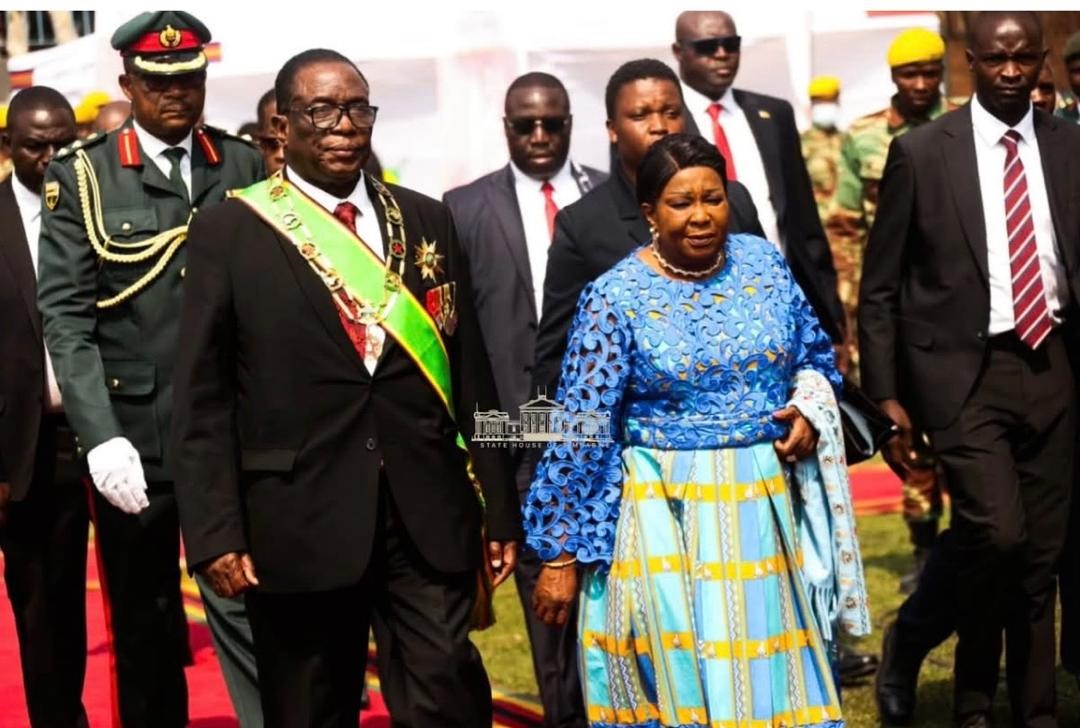
On a crisp August morning, the tarmac at Harare’s Robert Gabriel Mugabe International Airport became the stage for a moment of quiet symbolism and high‑stakes diplomacy. President Emmerson Mnangagwa, draped in his signature scarf bearing the colors of Zimbabwe’s flag, strode purposefully alongside senior officials and security aides. His destination, Pretoria, South Africa, where he would lead Zimbabwe’s delegation to the Fourth Session of the South Africa Zimbabwe Bi‑National Commission (BNC).
The image of Mnangagwa’s departure captures more than a routine diplomatic journey. It reflects the weight of regional cooperation, the delicate balance of political alliances, and the enduring quest for economic stability in Southern Africa. The BNC, established as a platform for bilateral dialogue, has become a cornerstone of relations between the two neighbors. Its agenda spans trade, infrastructure, energy, migration, and security issues that directly affect millions of citizens on both sides of the Limpopo River.
Zimbabwe’s participation in the commission is particularly significant at a time when the country faces pressing economic challenges. Inflationary pressures, currency instability, and the need for foreign investment have underscored the importance of strengthening ties with South Africa, its largest trading partner. For Mnangagwa, the Pretoria meeting offers an opportunity to reaffirm Zimbabwe’s commitment to regional integration and to seek practical solutions that can ease the burden on ordinary citizens.
The photograph of the president walking with his entourage conveys a sense of resolve. His scarf, a constant reminder of national identity, contrasts with the formal suits of his officials, symbolizing the blend of tradition and modern governance. The airport setting, with its understated backdrop, emphasizes the transitional nature of diplomacy leaders departing from familiar ground to engage in negotiations that may reshape the future.
Observers note that the BNC has historically produced agreements on energy cooperation, cross‑border infrastructure projects, and joint strategies to combat crime. This fourth session is expected to revisit these commitments while addressing new challenges, including the impact of global economic shifts and the need for sustainable development. For Zimbabwe, the stakes are high improved access to South African markets, enhanced transport links, and collaborative investment in energy could provide much‑needed relief.
Beyond economics, the commission also carries political weight. South Africa has long played a mediating role in Zimbabwe’s internal affairs, from past electoral disputes to broader governance issues. Mnangagwa’s presence in Pretoria signals his administration’s willingness to engage constructively, even as critics at home call for deeper reforms. The optics of the trip captured in the photograph suggest a leader conscious of both domestic expectations and international scrutiny.
As the plane carrying Zimbabwe’s delegation lifted off, it symbolized more than physical travel. It represented a journey toward dialogue, compromise, and potential renewal. The image of Mnangagwa’s departure will linger as a reminder that diplomacy is not confined to conference halls; it begins with the simple act of stepping forward, of leaving home to seek common ground abroad.
For Zimbabweans watching from afar, the hope is that this mission will translate into tangible benefits jobs, stability, and opportunities. For the region, it is another chapter in the ongoing story of Southern Africa’s interconnected destinies.