For many residents, the news was more than a headline. It was a chilling reminder of the fragility of life and the vulnerability of young people in environments where violence can erupt unexpectedly. The victim, a teenager with his whole future ahead of him, has become a symbol of lost potential. His death has sparked conversations about youth safety, community responsibility, and the urgent need for stronger protective measures.
Inspector Nomalanga Msebele, speaking on behalf of the Bulawayo police, confirmed the arrest and assured the public that investigations are ongoing. While details of the case remain under wraps, the swift action by law enforcement has provided some measure of reassurance. Yet, for Ntandoyenkosi’s family, friends, and neighbors, the pain of loss cannot be eased by an arrest alone.
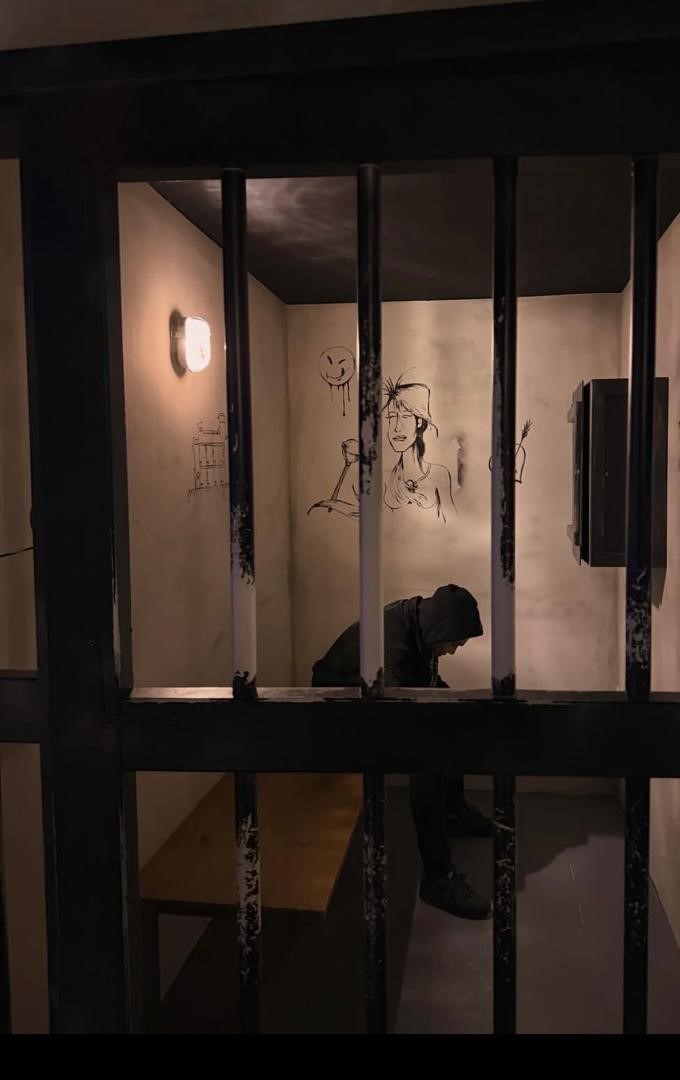
It is a visual metaphor for justice in progress, a reminder that crime carries consequences. But it also raises deeper questions: What drives individuals to commit such acts? How can communities intervene before violence claims another young life?
Bulawayo, like many urban centers, faces challenges of unemployment, poverty, and social dislocation. These pressures often manifest in crime, leaving families and neighborhoods vulnerable. The murder of a teenager underscores the urgency of addressing these root causes. Community leaders have already begun calling for more youth programs, mentorship initiatives, and safe spaces where young people can thrive away from the dangers of the streets.
The arrest of Mpofu is not the end of the story it is the beginning of a legal process that will test the resilience of Zimbabwe’s justice system. Courts will weigh evidence, testimonies, and the circumstances surrounding the crime. For the public, the trial will be a measure of whether justice can truly be delivered in cases that strike at the heart of society.
Beyond the courtroom, however, lies the broader narrative of healing. Communities must come together to support the bereaved family, to reaffirm values of compassion and solidarity, and to ensure that Ntandoyenkosi’s death is not in vain. His memory can serve as a rallying point for change, inspiring efforts to protect other young lives from similar fates.
It reminds us that justice is not only about retribution but about prevention, about building a society where children can grow without fear. As Bulawayo mourns, it also confronts the challenge of transformation turning tragedy into a catalyst for safer, stronger communities.