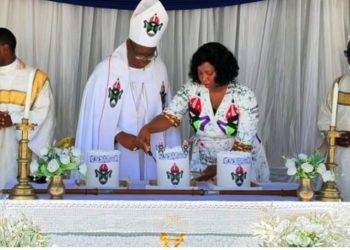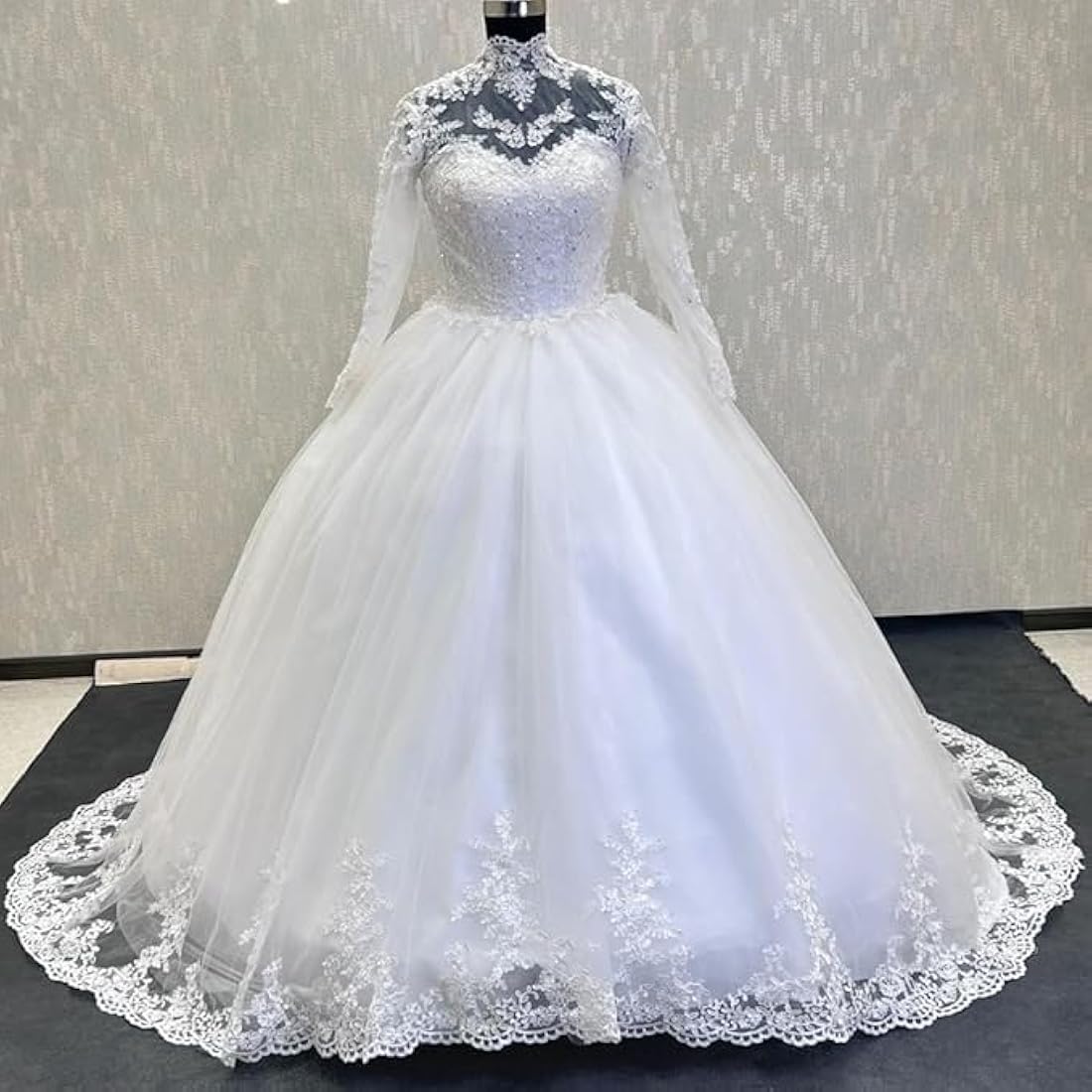
In today’s society, the white wedding gown remains a dominant feature of Christian weddings, especially in Zimbabwe.
But as traditions evolve, questions are emerging about the continued symbolism behind the color white, especially when its original meaning may no longer reflect modern realities.
White has long been associated with purity, goodness and virginity.
In color psychology, it represents new beginnings, which in the context of marriage symbolizes the start of a new life together.
But does this symbolism still hold weight when many brides wearing white are no longer virgins and have kids?
Some conservative Christians believe wearing white while not upholding the values it symbolizes sends the wrong message.
“It can be misleading,” said one church elder who preferred to remain anonymous. “If the church upholds purity, then the symbols we use should reflect that.”
Alternative colors like cream or off-white are often avoided because they are seen as indirectly acknowledging past sexual activity.
This fear of judgment from peers and family can pressure couples to stick to white, even when it contradicts the dress’s symbolic meaning.
Historically, the white wedding dress was popularized by Queen Victoria in 1840, when she wore a white lace gown to her wedding with Prince Albert.
The trend was further cemented in 1981 when over 750 million people watched Princess Diana walk down the aisle in a lavish white gown.
Since then, it has become the standard for brides worldwide, including in African cultures that once had their own traditional wedding attire.
Critics argue that many African churches have adopted the Western concept of the “white wedding” without questioning and understanding of its context or implications. “We never knew what it meant and we never understood the tradition, the customs that were related to this white gown…” said Linda Tsungirirai Masarira.
The financial burden is another area of concern. In Zimbabwe, the groom’s family typically pays lobola (bride price) and then finances the wedding including the expensive white gown and ceremony.
Ironically, in many Western cultures where the tradition originated, it is the bride’s family that usually bears the wedding costs.
As discussions around culture, symbolism, and modern realities continue, many are now asking: Is it time for churches and couples to rethink what the white dress truly represents?